Are Cheap Lab-Grown Diamond Rings Worth Buying? What to Check Before You Buy
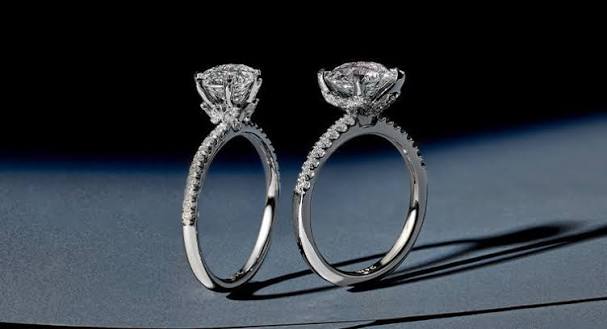

Lab-grown diamonds brought the price of a diamond ring down a long way, so cheap lab-grown rings are everywhere now. A low price is not automatically a warning sign.
But it is worth knowing what sits behind the number. A cheap ring can be a genuinely good buy or a false economy, and the difference comes down to a few things you can check yourself.
Here is where low prices come from, when to trust one, and what to look at before you buy.
Quick answer: A cheap lab-grown ring can be a real deal or a false economy. It depends on whether the diamond is real and graded, the metal is solid, and the setting is secure. Check the report, the lab-grown disclosure and the setting before you buy.
Why Are Some Lab-Grown Diamond Rings So Cheap?
Most of the time, there is a simple and honest reason. Lab-grown diamonds cost far less than mined ones to begin with, so even a good ring can carry a low price.
Beyond that, a few things bring the price down legitimately:
- A smaller diamond, or one with lower color and clarity grades.
- A simple setting with less metal and fewer small stones.
- A lower-karat gold, such as 14k instead of 18k.
- A genuine sale, or an in-stock piece the seller wants to move.
None of those make a ring a bad buy. If you want to see how the same size can vary so much on price, our guide to why one ring costs more than another breaks it down.
When a Low Price Is a Good Deal
Often, it simply is. A real lab-grown diamond, graded by a recognized lab, set securely in solid metal, at a fair price, is a legitimately good deal. That is much of what made lab-grown popular in the first place.
The goal is not to avoid cheap rings. It is to tell a good-value ring from one that is cheap because something is missing, so it helps to browse rings you can actually check and run each one past the list further down.
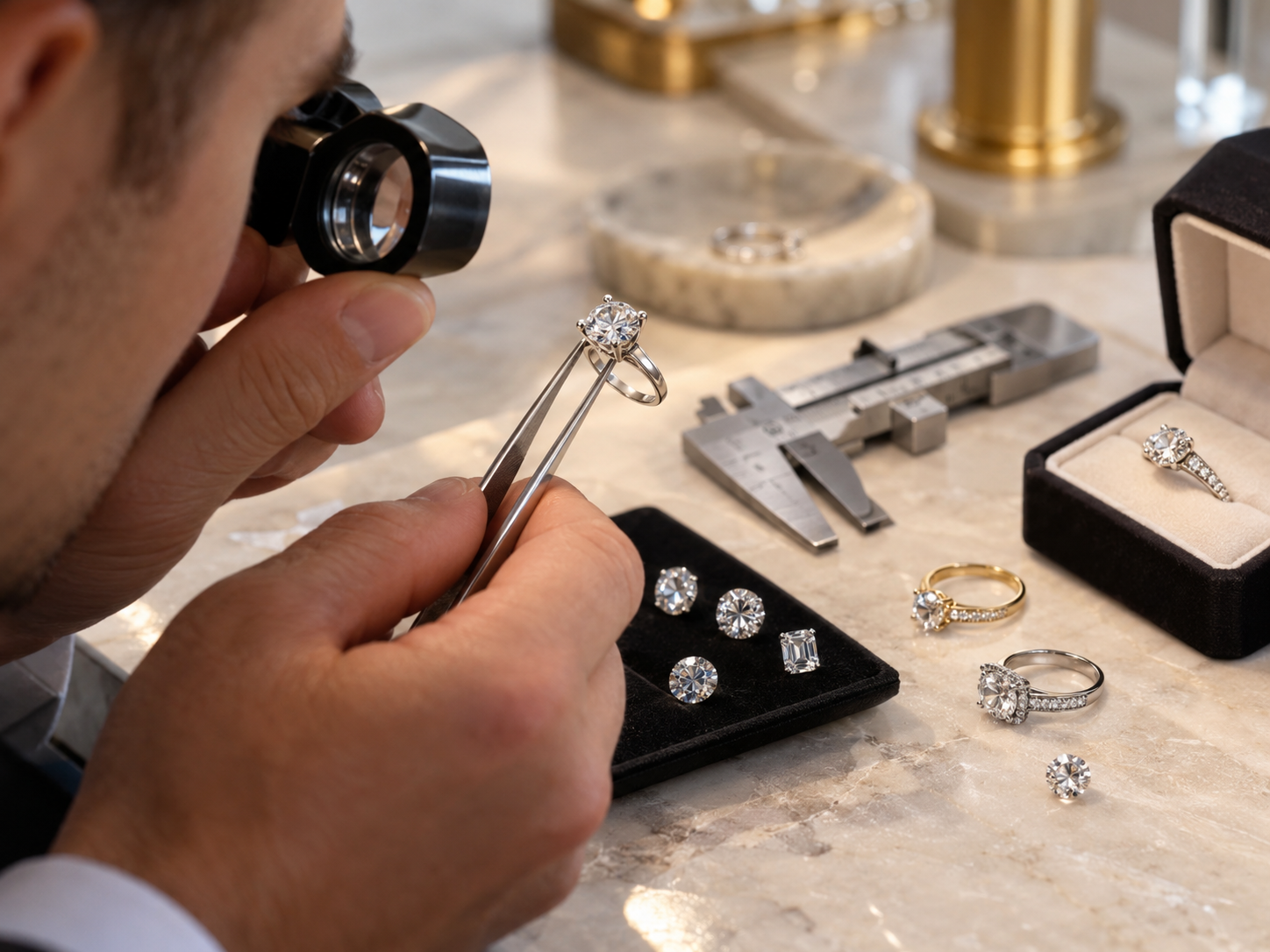
When a Low Price Should Make You Look Closer
Cheap is not the problem. Cheap with no report, thin metal and no returns is.
A price that seems too low for what is promised is worth a second look. These are the signs to slow down on:
- No grading report. With no report, you cannot confirm what the diamond actually is.
- Vague “certified” claims. “Certified” means little by itself. GIA changed its lab-grown reports in 2025, and a trustworthy report always names the lab that graded it. The FTC also requires sellers to clearly disclose a diamond is lab-grown.
- A flimsy setting. Thin, lightweight metal can bend and hold a stone poorly, which costs you later in repairs or a lost diamond.
- Plated, not solid. Gold-plated or gold-filled bands are not solid gold and will wear through over time (the thin layer rubs off, showing the base metal underneath).
- A dull cut. A low price sometimes hides a poor cut, which is the one thing that most affects how a diamond looks.
None of these mean every cheap ring is a scam. They just tell you where to look before you trust the price.
What to Check Before You Buy
Still unsure? Run any affordable ring through this short list, and you will avoid almost every bad deal:
- The grading report. Make sure there is one, see which lab graded it, and verify the number on the lab’s own website.
- The disclosure. The listing should clearly say the diamond is lab-grown, not leave you to guess.
- The metal. Confirm it is solid gold or platinum, not plated or filled (14k and 18k are solid; “gold-plated” and “gold-filled” are not), and check the karat.
- The setting. It should feel solid and hold the stone securely, not thin or loose.
- The cut. Look at the actual stone if you can. It should look bright and clean to your eye.
- The terms. Check the return policy, resizing and any warranty before you pay.
If a seller cannot answer these, that is your answer.
FAQs
Are cheap lab-grown diamond rings real diamonds?
They can be. A lab-grown diamond is a real diamond regardless of price, as long as it is actually lab-grown and graded. The report is how you confirm it.
Is a cheap lab-grown ring a bad idea?
Not at all, if the diamond is real and graded, the metal is solid, and the setting is secure. A low price is only a problem when it hides one of those.
How do I know a cheap ring’s diamond is real?
Check the grading report and verify the report number with the lab that issued it. If there is no report, you have no way to confirm the stone.
Why is one lab-grown ring so much cheaper than another?
Usually the diamond is smaller or lower-grade, the setting is simpler, or the metal is a lower karat. Sometimes a very low price points to a thin setting or a missing report.
Can I trust a lab-grown ring bought online?
Yes, if you check the same things you would in person: the report, the disclosure, the metal and the return terms. A trustworthy seller makes all of that easy to find.
Buying a Lab-Grown Ring You Can Trust at Candor
A fair price and a quality ring are not opposites. The trick is knowing what to check, which is easier with someone who will walk you through it.
Candor grades every diamond independently and makes its rings in-house, so you can see the report, the metal and the setting for yourself. When you are ready, ask a Candor gemologist to look it over before you decide.