
Yes, a lab-grown diamond ring can be insured. The insurer decides the terms, what documentation it needs and how a claim would be settled. Before buying coverage, gather your purchase receipt and diamond report, ask whether an appraisal is required, and read what the policy says about loss, theft, damage and replacement.
The word “insured” can sound reassuring without telling you much. Two policies can cover different events or replace a ring in different ways. The useful work is to understand the specific ring you own and the specific coverage you are offered.
What Documents Should You Keep?
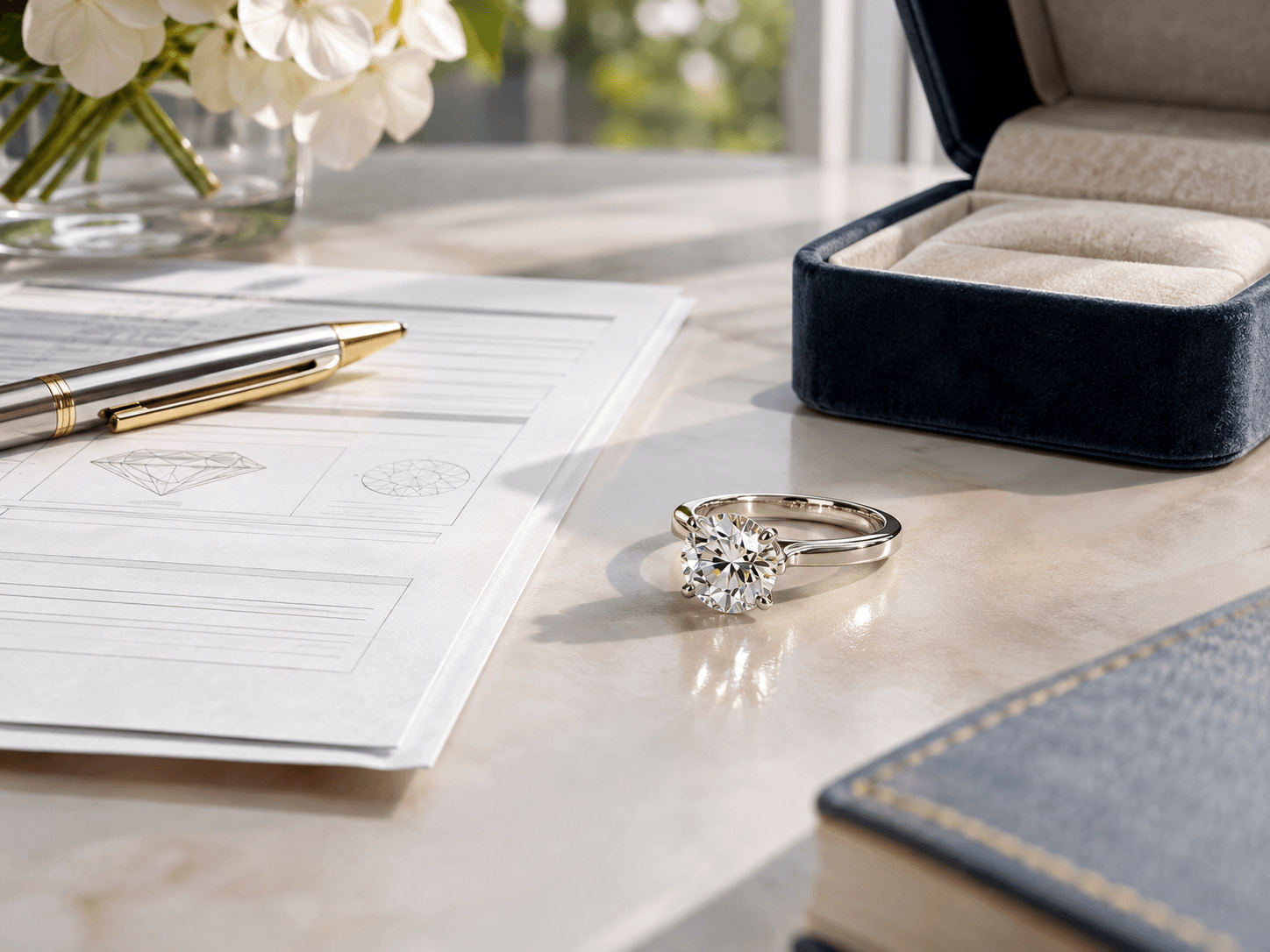
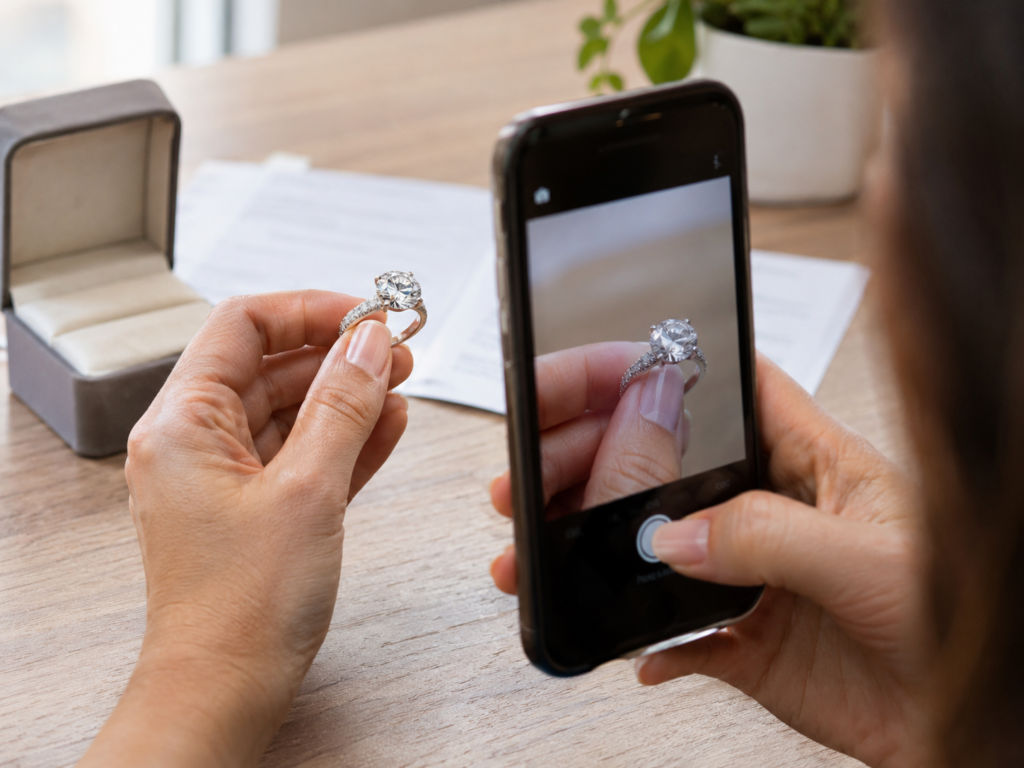
Save the receipt or invoice for the completed ring, photographs of it, and the grading or assessment report for the diamond if one was supplied. Keep the report number and any details about the metal, setting and accent stones. Store digital copies somewhere you can access if the physical papers are lost.
An IGI laboratory-grown diamond report3 may document origin, measurements and quality characteristics of a stone. That helps describe what you own. Candor’s certification guide explains how to find and verify its report number. The report does not itself state what an insurer must pay to replace the whole ring.
If the stone has a laser inscription, note it, but do not rely on an inscription alone as your entire record. A complete ring includes more than its center stone. The setting, metal and any additional diamonds affect replacement cost.
Is a Grading Report the Same as an Appraisal?
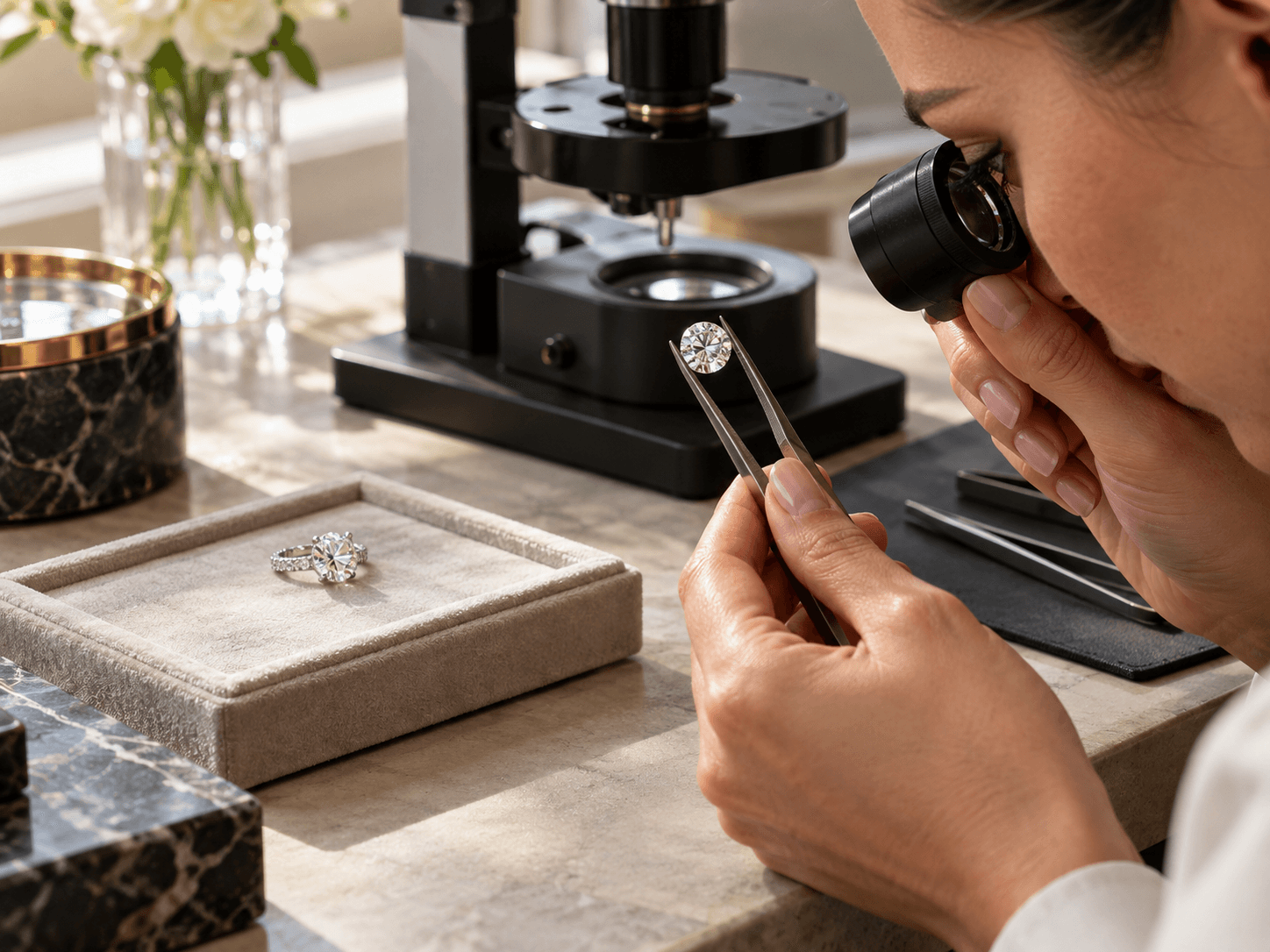
No. A grading report assesses the stone’s characteristics. An appraisal estimates monetary value for a specified purpose. GIA says it does not appraise diamonds2; its laboratory reports describe quality characteristics rather than a replacement price.
Some insurers ask for an appraisal, particularly for higher-value jewelry. Ask what they will accept and whether the appraisal should show replacement value for a comparable lab-grown diamond ring. The number on an appraisal is not a guaranteed resale offer or automatic claim payment.
| Document | Main use | What it does not promise |
| Purchase receipt | Shows what you paid and when | The cost of a future replacement |
| Diamond report | Describes the stone’s origin and assessed characteristics | A cash value for the finished ring |
| Insurance appraisal | Estimates value for a stated purpose | An amount the insurer must pay regardless of policy terms |
| Insurance policy | States coverage and claim rules | Coverage for events it excludes |
If you already have an appraisal, ask whether the insurer needs it updated and how frequently. Lab-grown diamond prices can change, so an older replacement estimate may not reflect current comparable products.
What Coverage Questions Matter Most?
Ask what events are covered. Theft, accidental loss, accidental damage and damage to the setting may be treated differently. Ask whether coverage applies while traveling and whether a deductible reduces a claim payment. Find out whether the insurer pays cash, repairs the ring or sources a replacement.
For a lab-grown diamond, ask whether a replacement would be another lab-grown diamond with comparable documented characteristics. Clarify how the insurer handles a report format that differs from the one on your original stone. These are questions for the insurer; no jewelry retailer can promise the answer for every policy.
GIA’s engagement-ring protection guide1 recommends reading policies carefully, including whether they cover loss and damage. That advice applies regardless of where the diamond formed.
Does a Warranty Replace Insurance?
Usually, a product warranty and jewelry insurance solve different problems. A warranty may address specified manufacturing defects or service conditions. Insurance addresses the covered events described in a separate policy. Neither word has a universal set of terms.
Read Candor’s current warranty and aftercare terms on the actual purchase page, then compare them with an insurer’s policy. Do not assume a warranty covers a lost ring or that insurance covers routine wear. If a sales page mentions a benefit, follow its linked terms before relying on it.
When Should You Arrange Coverage?
Gather documents soon after purchase, while the product information is easy to retrieve. You can ask an existing homeowners or renters insurer whether your ring is covered and what limits apply. You can also compare a jewelry-specific policy. Request the terms in writing and choose based on the events you want covered, the deductible and how replacement works.
If you are still choosing the ring, make sure the product details are clear. Candor’s ring buying guide covers the selection basics, and the ring collection shows designs. Keep the individual stone report and the final invoice for the specific piece you buy.
Frequently Asked Questions
Do insurers cover lab-grown diamonds differently from mined diamonds?
Terms vary by insurer and policy. Ask whether the origin affects eligibility, valuation or the replacement the insurer would supply.
Do I need an appraisal before I can insure the ring?
Some insurers require one; others may accept a receipt and detailed product records for certain values. Ask the insurer before paying for an appraisal.
Does an IGI or GIA report state the ring’s insurance value?
No. A laboratory report describes the diamond under the selected service. An appraisal serves a different purpose and should account for the complete ring.
Will insurance pay what I originally spent?
That depends on the policy and the loss. Ask whether claims are settled by repair, replacement or cash, and how deductibles and limits apply.
If your ring is from Candor, its jewelry care page explains how to contact the team about an insurance appraisal. Ask the insurer what it needs before arranging one.