
A lab-grown diamond can have resale value, but there is no dependable percentage of the original price you should expect back. What a buyer offers depends on the individual stone, current market prices, documentation and where you try to sell it. Treat a ring as jewelry you want to wear, not as a way to store or grow money.
That may be a disappointing answer if you are comparing a large purchase with a future sale in mind. It is more useful than a promised return. Here is what actually changes the offer you might receive.
Why Is Resale Different From Retail Price?
Retail price covers more than a loose diamond’s possible secondhand value. It may include the setting, design, labor, business costs and services attached to a new purchase. A resale buyer then considers what it would cost to obtain a comparable stone today and whether they can resell yours.
Lab-grown diamond production and pricing have changed over time. GIA’s 2024 research update1 describes expanded production and notes falling prices in parts of the market. That context helps explain why an older retail receipt is a poor predictor of a new resale offer. It does not give a universal loss percentage for every diamond.
The setting may also have a separate value, especially if it contains precious metal or additional stones. A buyer may assess those parts differently. Do not assume the sale price of a complete ring equals the appraised insurance replacement value.
What Affects the Offer for an Individual Stone?
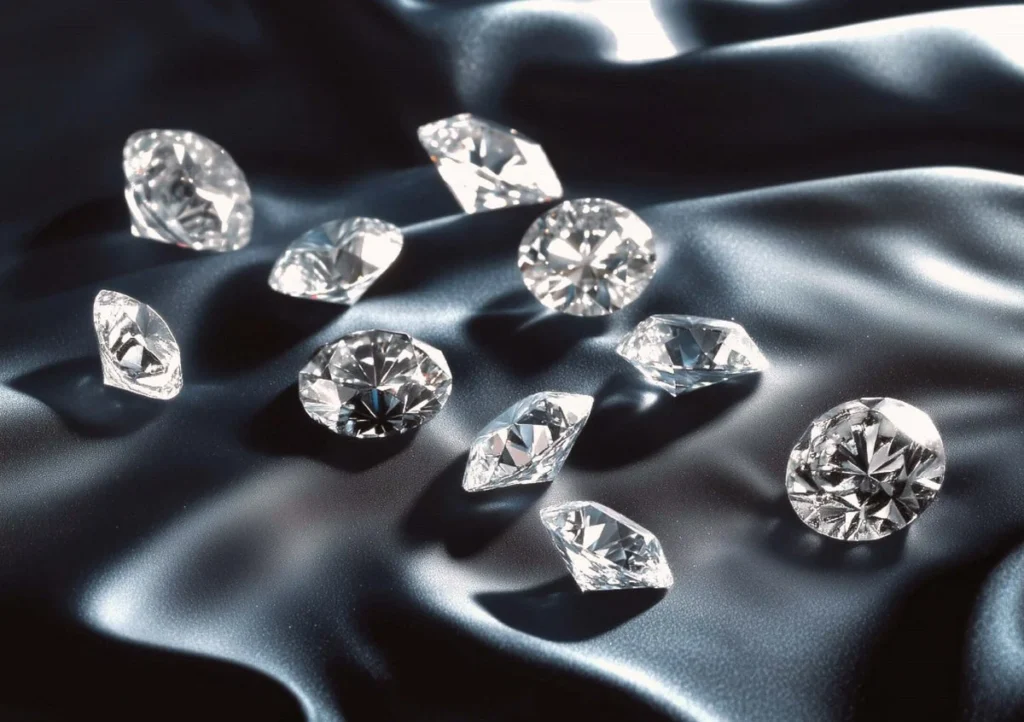
The diamond’s size, appearance, cut, color, clarity and condition matter, as does the current availability of comparable stones. A report that establishes laboratory-grown origin and documents characteristics can help a buyer identify it. The report is useful evidence, not a price guarantee.
| Factor | Why a buyer may care |
| Current comparable prices | A buyer can source new alternatives today |
| Independent report | It documents the stone being offered |
| Condition and setting | Wear, repairs and metal value affect the whole ring |
| Selling channel | A dealer, consignment shop and private buyer may offer different terms |
If the ring has a GIA or IGI document, read what that specific report actually assesses. IGI’s lab-grown report guide3 explains the kinds of origin and quality information its service may provide. A grading report does not establish the price a secondhand buyer will pay.
Is an Appraisal a Resale Quote?
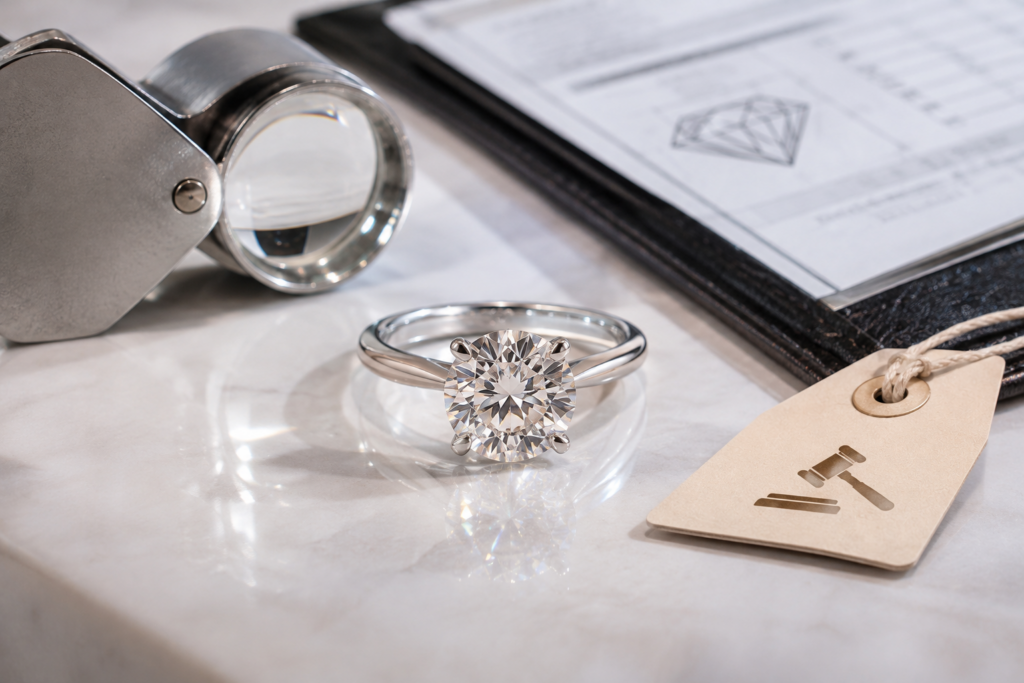
No. An insurance appraisal usually estimates what it would cost to replace a comparable item under a stated method. A resale quote asks what someone will pay you now. Those are different transactions with different purposes. GIA explains2 that its grading reports are not appraisals.
If you are considering a sale, ask several potential buyers for written offers or estimates and clarify whether each amount covers the stone, setting or both. Ask about fees before agreeing to consignment. Keep your original invoice and report, but do not use the original invoice as the only price reference.
Should Resale Change What You Buy?
It can, if recovering money later is important to you. You may prefer to spend less, choose a simpler setting or delay a purchase while comparing options. If you plan to keep and wear the ring, focus on how it looks, how it fits your budget and whether the seller gives clear documentation and terms.
Avoid paying extra for a grade you cannot see solely because you expect that premium to return at resale. A buyer later may value the stone differently. Candor’s ring buying guide helps separate decisions about the center stone, setting and total cost.
This advice is not an argument against lab-grown diamonds. It is a way to make the purchase for the right reason. You can value the design and the time you will wear it without assigning it a future profit.
What If You Already Own One?
Find the original report and verify its number with the issuing laboratory. Photograph the ring and note any damage or repairs. Then ask what comparable stones currently sell for and request more than one resale offer. A local jeweler may assess the setting, while a specialist may assess the diamond. Clarify whether an offer is firm or only an estimate pending inspection.
If you inherited the ring and do not know its origin, establish that first. Candor’s guide to identifying lab-grown diamonds explains why visual inspection is not enough, although a new identification report may or may not be worth its cost for your particular sale.
Frequently Asked Questions
Can I sell a lab-grown diamond ring?
Yes, if you find a buyer. The offer can vary widely, and a sale is not guaranteed at any particular price.
Do lab-grown diamonds lose all their value?
No blanket statement fits every stone. A stone may attract a resale offer, but you should not expect to recover the full retail price or rely on a fixed percentage.
Does a certificate increase resale value?
An independent report can make the stone easier to identify and compare. It does not promise a buyer or a price.
Is a trade-in the same as resale?
No. A trade-in may be store credit under a seller’s specific terms. Read the current written policy and compare its value with any cash offer before deciding.
If you are buying now, compare complete ring prices against what you comfortably want to spend. Candor’s ring collection can help you see what fits that budget, with the individual report and product terms checked before checkout.
Sources
- 12024 research update, GIA
- 2GIA explains, GIA
- 3IGI’s lab-grown report guide, IGI