
Can You Spot a Lab-Grown Diamond by Eye?
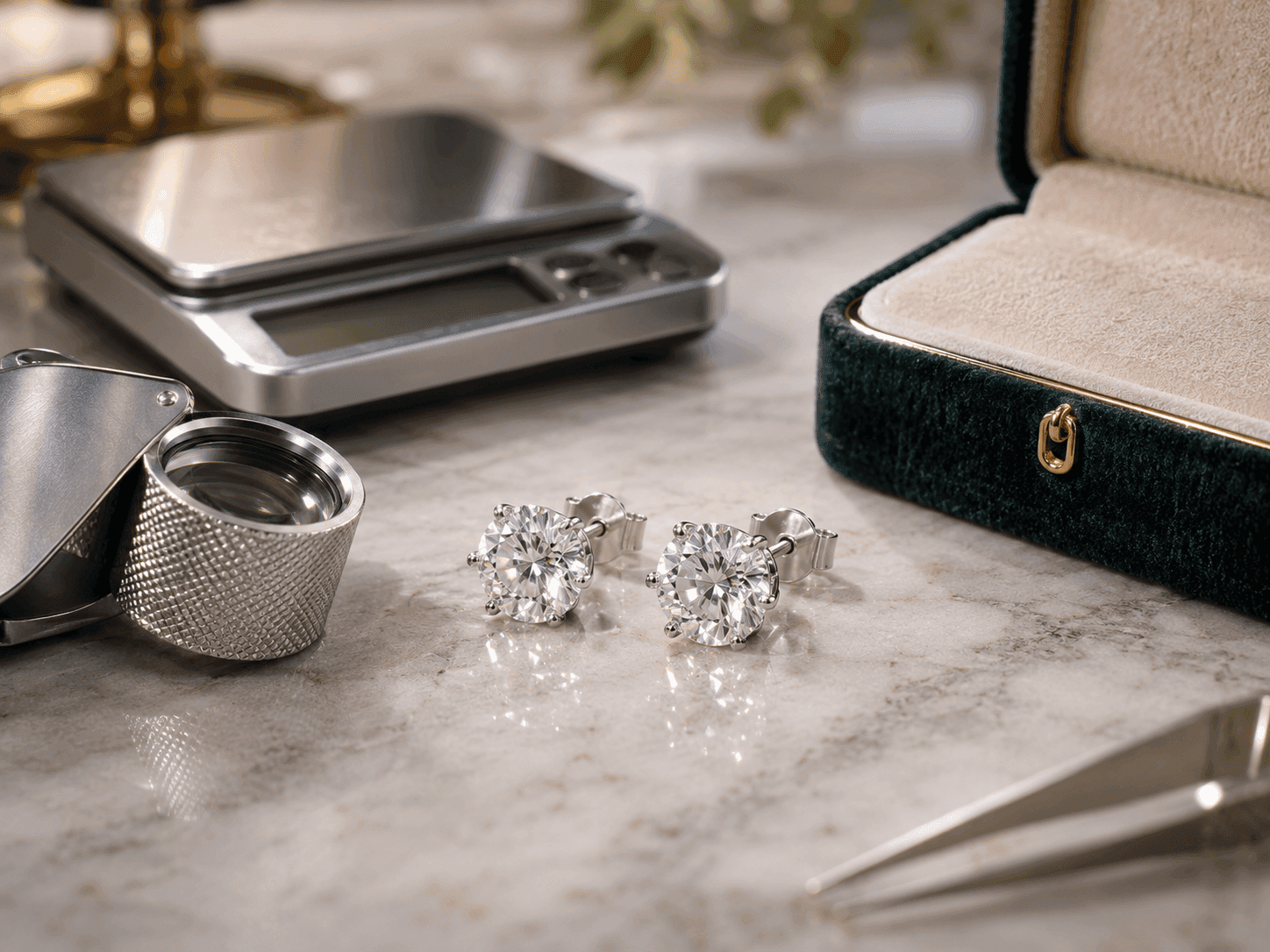
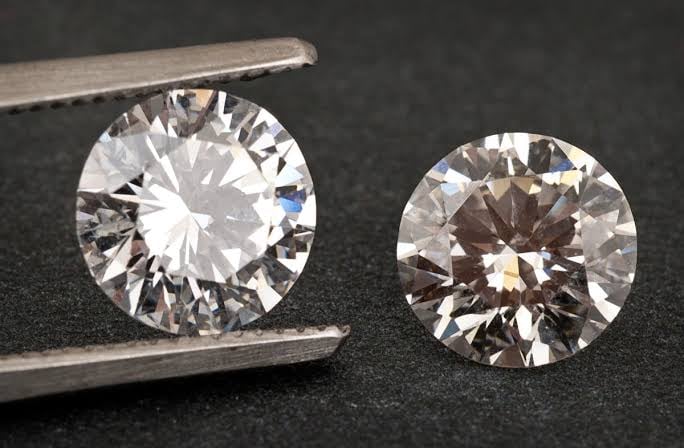
No reliable visual shortcut separates lab-grown from mined diamonds. Both are diamond, with essentially the same chemical and optical properties. A clear stone, a bright sparkle or a particular shape does not identify its origin.
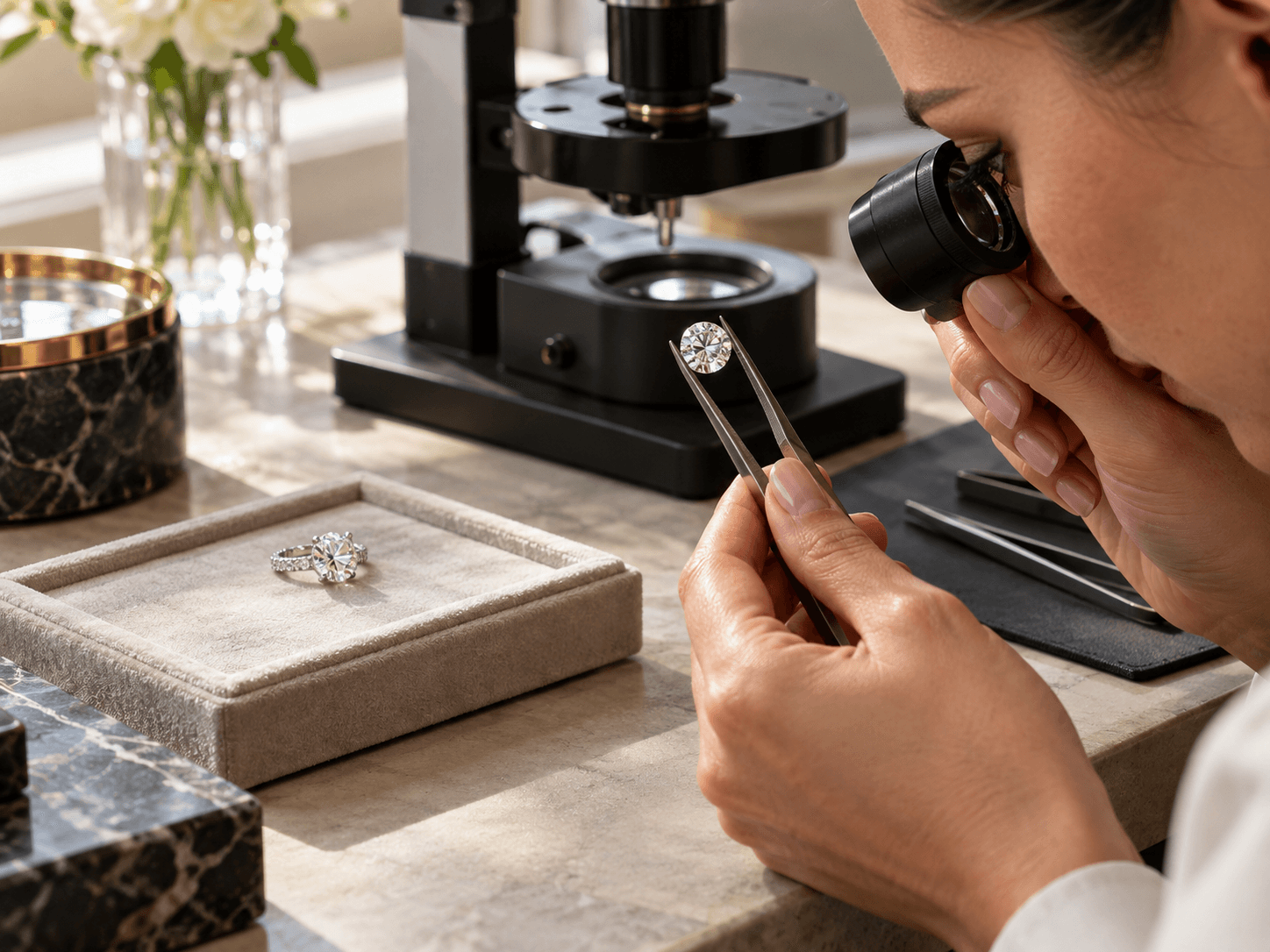
You may see online advice about unusual reflections or inclusions. Those are not safe do-it-yourself tests. Growth features can help a trained gemologist, but they require the right instruments and interpretation. GIA says1 traditional observations and instruments cannot reliably distinguish the two origins, and recommends laboratory examination for confirmation.
That also means a diamond that looks “too perfect” is not necessarily lab-grown. Natural and lab-grown diamonds both vary in clarity and appearance. A visual guess is a weak basis for a significant purchase.
Will a Diamond Tester Tell You?
A common handheld tester answers a narrower question: does the stone have certain diamond-like thermal or electrical properties? It may help rule out some simulants. It does not determine whether a diamond grew in the Earth or a chamber.
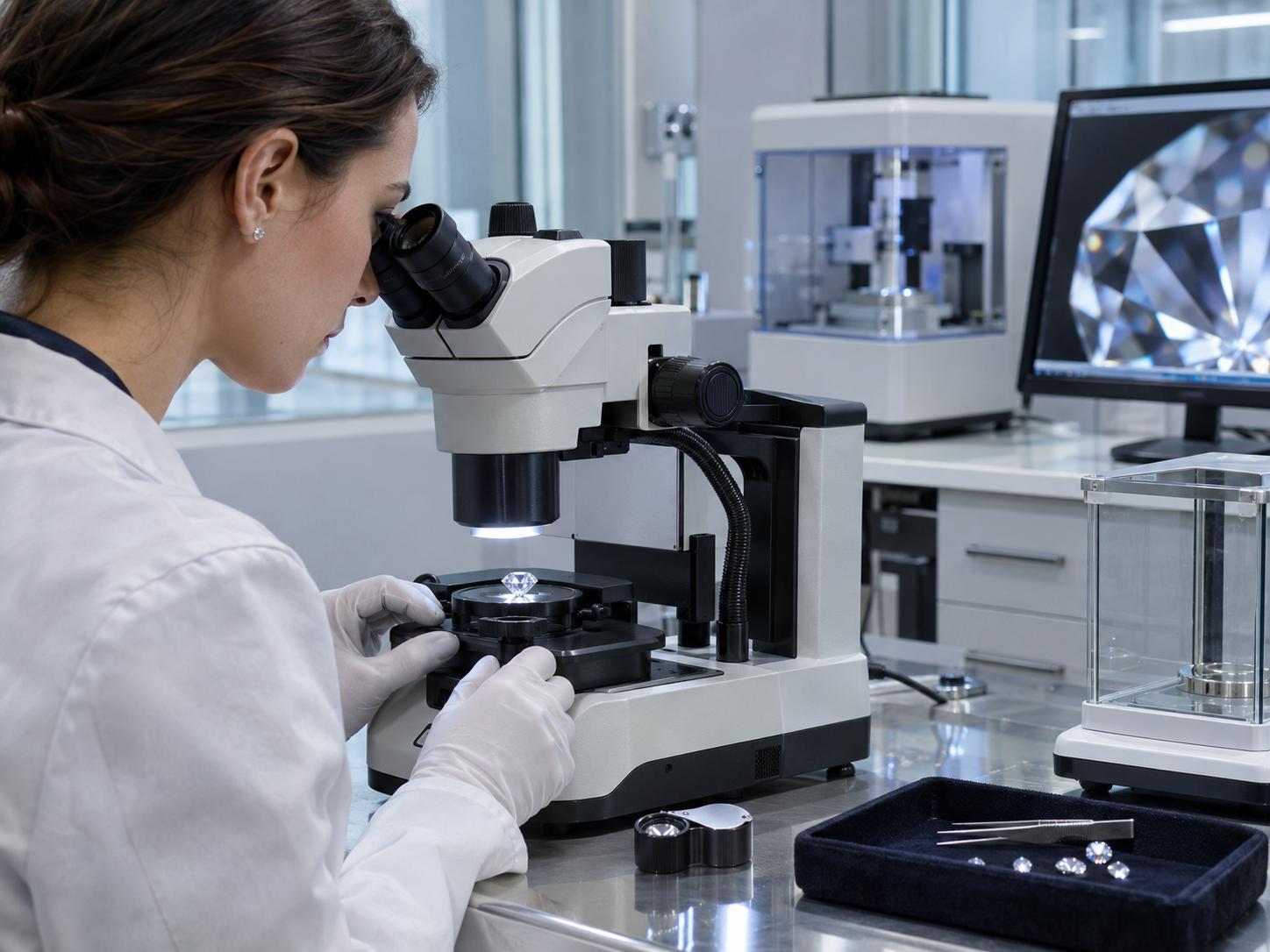
Some advanced instruments screen diamonds for features associated with lab growth. Screening is a professional process, and certain results require further examination. If a seller demonstrates a basic tester reading and calls that proof of natural origin, ask for the independent report instead.
| Check | Useful for | Limit |
| Looking at the stone | Comparing appearance | Cannot establish origin |
| Basic diamond tester | Screening for diamond-like properties | Cannot distinguish lab-grown from mined diamond |
| Report-number lookup | Checking the issuing lab’s recorded assessment | Confirm the report matches this exact stone |
| Gemological laboratory examination | Establishing origin using specialist methods | Requires professional equipment and assessment |
What Should the Grading Report Say?
Look for a clear laboratory-grown origin description, the issuing laboratory, a report or assessment number, and details that match the offered stone. Depending on the report, those details may include weight, measurements, shape and quality assessments. The IGI guide to its lab-grown report2 shows the fields a buyer can review.
Report formats vary. In particular, do not assume every current GIA lab-grown document uses the same color and clarity grading format as an IGI report. Read the document attached to that diamond rather than relying on the listing’s word “certified.”
Enter the report number on the issuing laboratory’s official site. Compare the online record with the listing and any inscription described on the report. A matching number is useful, but you still need confidence that the physical stone being sold is the one described. For an expensive purchase or a mismatch, ask the seller or an independent professional to resolve it before paying.
Candor’s diamond certification page explains how it presents report information. Check the current product listing for the actual issuer and number on the stone you choose.
Does a Laser Inscription Prove the Origin?
An inscription can connect a stone with a report number or state that it is laboratory-grown. It is a useful cross-check when visible under magnification. It is not a substitute for reviewing the full report or verifying the diamond itself. Some stones may have no visible inscription, and mounting can make the girdle hard to inspect.
If you own a ring without paperwork, a jeweler can check for an inscription and advise whether an independent laboratory assessment is worthwhile. Avoid scratching, heating or using household chemicals to “test” a diamond. Those methods can damage jewelry and will not give you dependable origin information.
What If the Seller Has No Report?
Ask how the seller established that the stone is a laboratory-grown diamond and whether you can obtain independent documentation before purchase. A report is especially useful when price depends on particular color, clarity or carat claims. If the answer remains vague, compare a documented alternative.
For an existing ring, the answer depends on what you need. If you only want to enjoy the jewelry, a formal report may not be necessary. If you need an origin determination for a sale, insurance record or dispute, ask a qualified laboratory what service fits the mounted stone and what its limitations are.
Frequently Asked Questions
Can a jeweler tell from a photo?
A photo can show shape, setting and some visible characteristics. It cannot reliably establish lab-grown origin. Ask for the report and, if necessary, a professional examination.
Do lab-grown diamonds pass a diamond tester?
Yes, a lab-grown diamond can test as diamond. That reading does not tell you whether it was mined or lab-grown. Candor’s diamond tester explainer covers the distinction in more detail.
Is a certificate number enough?
It is a starting point. Verify the number on the issuer’s site and compare the recorded details with the physical stone or seller’s documentation.
Are all lab-grown diamonds laser inscribed?
Do not assume so. Inscription practices and report services vary. Check the specific report and ask the jeweler to show you any stated inscription.
If you are choosing between stones, ask to see their individual reports before comparing appearance and price. Candor’s ring buying guide covers the other decisions in the purchase. Compare current designs in the ring collection, then use a Candor virtual appointment to review the documentation with a gemologist.
Sources
- 1GIA says, GIA
- 2IGI guide to its lab-grown report, IGI